La Liga jerseys bring together some of football's most recognizable colors, club identities and player stories. Real Madrid's clean white shirt, Barcelona's blue-and-maroon stripes and Atletico Madrid's red-and-white design all speak to different kinds of supporters. For shoppers in the United States and Europe, the best choice is not simply the most famous club. It is the jersey that matches how you plan to wear it, the fit you prefer and the football story you want to represent.
This guide explains how to choose a La Liga soccer jersey for matchday, training, casual outfits or a gift. It also compares fan and player fits, covers sizing for adults and kids, and offers practical care advice. If you already know the club or style you want, you can browse the La Liga jersey collection and compare the available home, away, third, retro and player-name options.
La Liga shirts are easy to recognize because the leading clubs have developed clear visual identities over many seasons. A white Real Madrid jersey feels minimal and confident. Barcelona's stripes are expressive and closely connected to the club's attacking tradition. Atletico's colors communicate energy and resilience. Beyond those three clubs, Athletic Club, Real Betis, Sevilla, Valencia and other Spanish teams offer designs with strong regional character.
The appeal extends well beyond Spain. Soccer shirts have become part of everyday style in cities across the US and Europe. They are lightweight, easy to layer and more visually distinctive than a standard T-shirt. A jersey can be worn with jeans and sneakers, over a long-sleeve top, under a casual jacket or with shorts for training. That flexibility helps explain why buyers now search for football shirts as both sportswear and streetwear.
A Real Madrid home jersey is often the easiest La Liga shirt to style. The white base works with almost any neutral outfit, while seasonal accent colors keep each edition different. It can look simple from a distance, but the crest, trim and player printing give the shirt its football identity.
Supporters who want a traditional look usually choose the home shirt. Away and third jerseys are useful for buyers who already own white or want a stronger color for casual wear. Player-name options can connect the shirt to a favorite moment or season. Popular names may change as squads evolve, so check the current product page before choosing personalization.

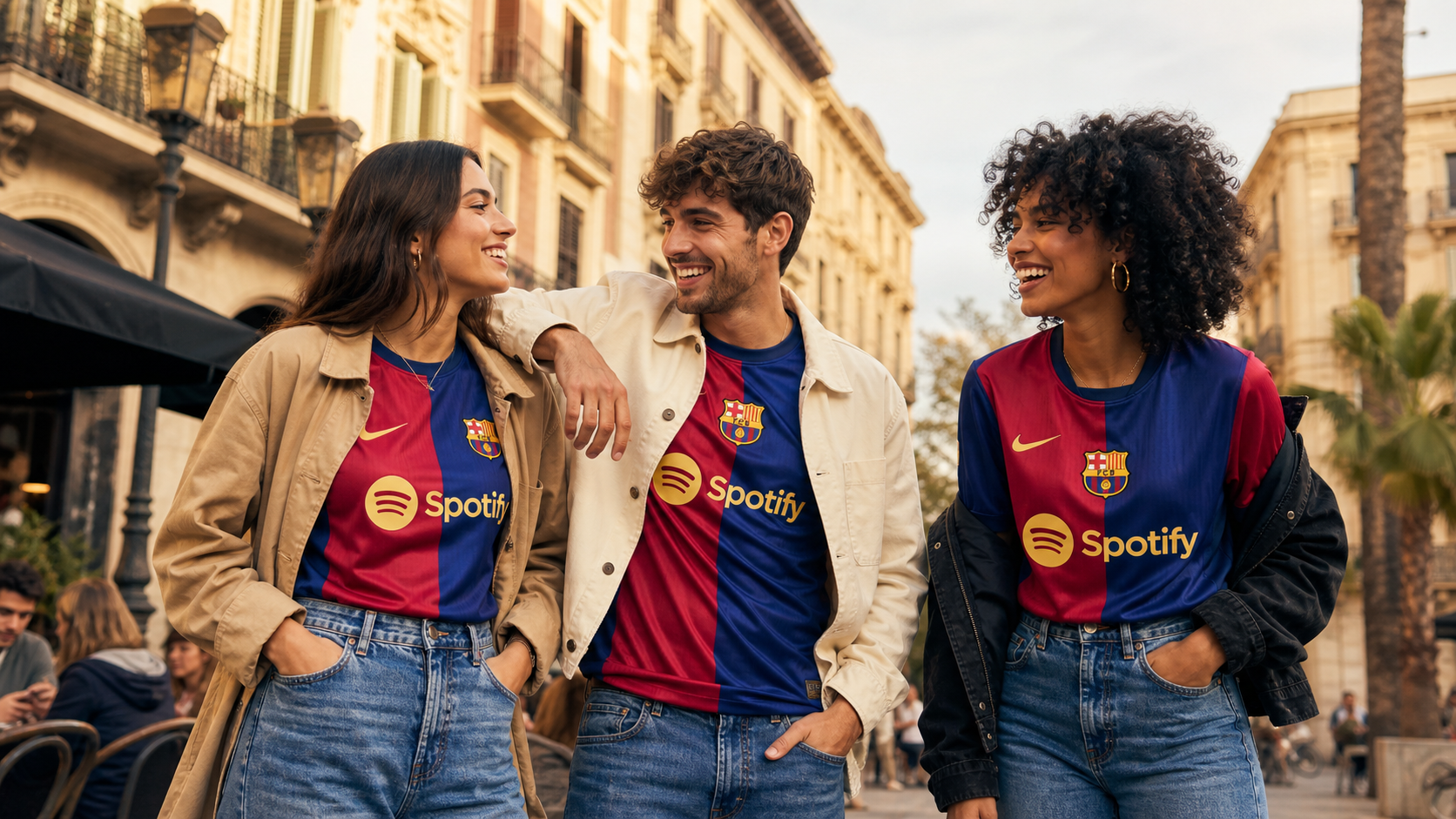
Barcelona jerseys suit buyers who want a shirt that is instantly visible. The blue-and-maroon palette remains familiar even when the stripe width, layout or accent color changes. Home editions provide the classic club look, while away and special designs often offer more flexibility for people who prefer lighter or more unusual colors.
A Barcelona shirt also has strong appeal for younger fans because the club is closely associated with academy players and creative attacking football. For a gift, a kids Barcelona jersey can be a safer choice when you know the recipient supports the club but are unsure about a specific player. A clean back remains timeless; a player name creates a more personal connection to the season.
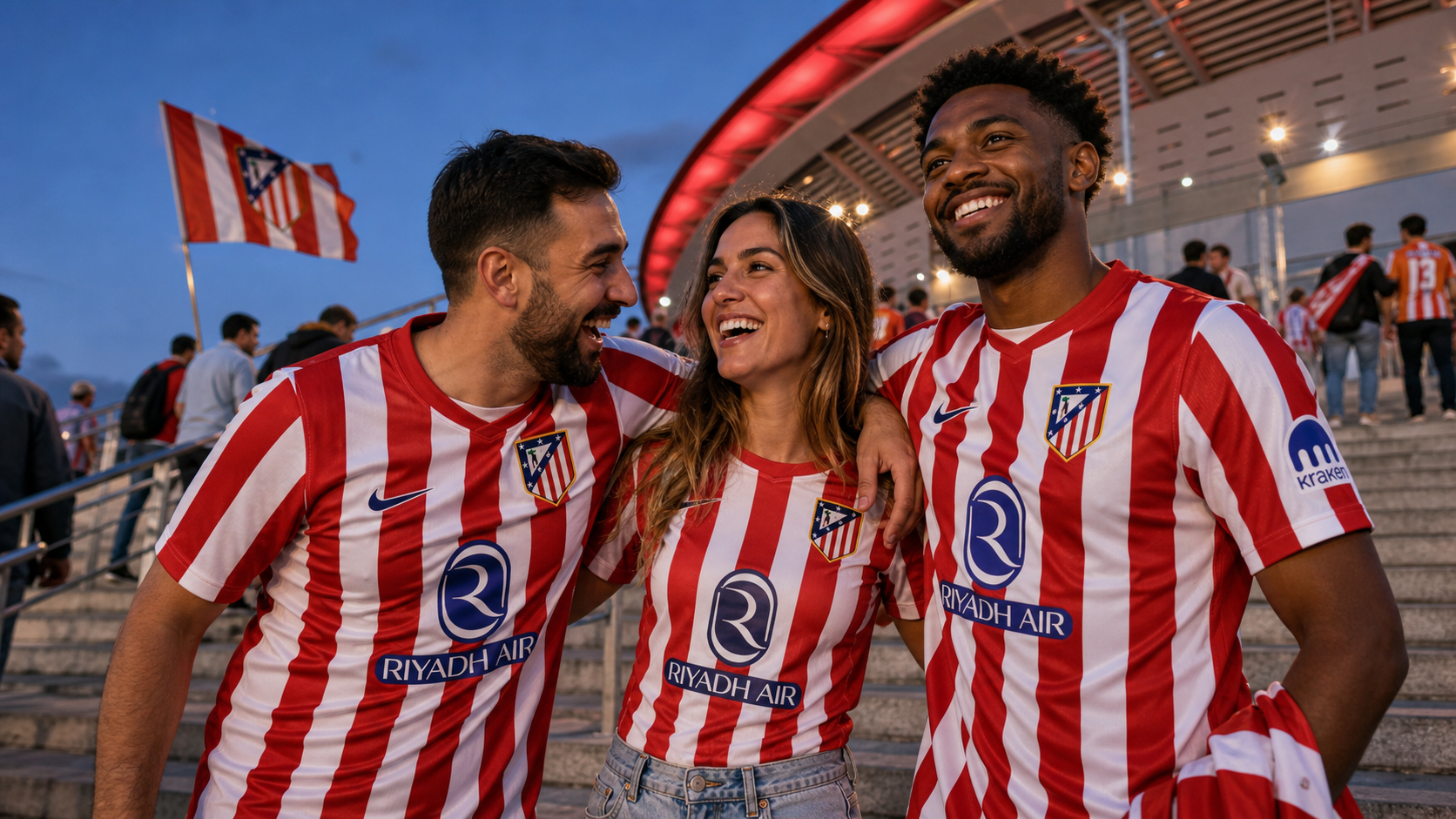
Atletico Madrid's red-and-white stripes deliver a different mood. The design feels direct, competitive and closely tied to the atmosphere of the club's support. It is a strong option for buyers who prefer a traditional striped football shirt rather than a minimal solid color.
Because the home shirt already makes a statement, it works especially well as the focus of a simple outfit. Pair it with dark denim, black shorts or neutral sneakers and let the stripes carry the look. An away version may be easier to layer if you prefer a quieter color palette. As with any personalized jersey, confirm the spelling and number shown on the product page before ordering.
Real Madrid, Barcelona and Atletico attract the most global attention, but they are not the only meaningful choices. Athletic Club's red-and-white identity, Real Betis green-and-white stripes, Sevilla's clean colors and Valencia's classic look all connect to distinct cities and supporter cultures. Choosing a less common club shirt can make an outfit feel more personal and often starts better conversations with other football fans.
This is particularly relevant for collectors. A collection built only around famous teams can become repetitive, while regional clubs introduce different colors, crests and design traditions. If you follow a particular player, have visited a Spanish city or remember a memorable European match, that connection can be a better reason to buy than general popularity.
One of the most important decisions is the jersey construction. Product terminology can vary, so always read the individual listing, but these general differences help narrow the choice:
For everyday use, travel and match watching, most shoppers will find a fan version easier to wear. Buyers who prefer a fitted shape, train in their shirt or want a match-inspired feel may choose a player version. If you are between sizes or want to wear another layer underneath, the closer cut of a player jersey may justify sizing up.
Do not rely only on the size printed inside a jersey. Compare the product measurements with a shirt that already fits you well. Lay your own shirt flat, measure across the chest from armpit to armpit, and compare the length from the highest shoulder point to the hem. This gives you a practical reference for relaxed, regular or slim fits.
US shoppers may be accustomed to roomier casual clothing, while many football jerseys use a more streamlined shape. European customers should also check measurements because fit can vary by jersey type and season. Consider how you will wear the shirt: choose more room for streetwear layering, your normal measured fit for matchday, and a closer shape only if that is your preference.
For kids, use current height and chest measurements rather than age alone. Children of the same age can need different sizes, and leaving a small amount of growing room may make the kit useful for longer. When buying a gift, ask for measurements discreetly or compare with a well-fitting sports top.
A player-name jersey captures a specific era. It can celebrate a favorite star and make a gift feel more carefully selected. Names associated with leading La Liga clubs are often searched by supporters, but squads and shirt numbers can change. Use the details displayed on the current product listing rather than relying on an older photograph or social media post.
A blank back is cleaner and less tied to one season. It is often easier to style casually and remains relevant even after squad changes. Collectors may prefer player printing because it records a moment in club history; everyday buyers may prefer the flexibility of a blank shirt. Both are valid, and the better option depends on the reason for purchasing.
The home jersey is the clearest expression of club identity and usually the safest first purchase. An away shirt works well when its colors fit your wardrobe better. Third and special-edition designs are often more experimental, making them attractive to collectors or supporters who already own the traditional colors.
Retro jerseys serve a different search intent. They connect to older players, tournaments and memories, and their design may feel closer to lifestyle clothing. If you want a shirt for current matchdays, begin with the latest club range. If you want a distinctive casual piece or a nostalgic gift, explore retro options.
For a simple matchday outfit, combine the jersey with dark jeans or shorts and clean sneakers. For a streetwear look, choose a slightly relaxed fit and wear it over a plain long-sleeve top. In cooler weather, add an unstructured jacket that leaves the club colors visible. Avoid combining too many competing patterns; striped jerseys already provide enough visual movement.
Away jerseys in black, navy, cream or other neutral shades can be especially easy to wear outside the stadium. Bright home colors work best when the rest of the outfit stays simple. The goal is to make the football shirt look intentional rather than like an afterthought.
Always check the care label first. In general, turn the jersey inside out, use cold water and select a gentle wash cycle. Wash with similar colors and avoid strong bleach or fabric softener. High heat can damage printed names, numbers, sponsor details and badges, so air drying is usually the safer choice.
Do not iron directly over printed areas. If the jersey has been worn for training, remove it from the bag and let it air out instead of leaving it damp. Store it dry and away from prolonged direct sunlight. These straightforward habits help colors and applications remain in better condition.
The best La Liga jersey is not necessarily the most popular one. It is the shirt you will enjoy wearing and the design that carries a real connection. Start with the club identity, then use fit and product details to make the final decision.
A fan-version shirt with a regular or slightly relaxed fit is usually the most versatile. Real Madrid white is easy to coordinate, while darker away shirts can also work well with everyday clothing.
Player versions commonly have a closer fit. If you prefer more room, want to layer the shirt or fall between measurements, consider the next size after checking the product-specific chart.
Yes. Retro shirts are a good choice for long-time supporters and buyers who like classic football style. Try to identify a meaningful club, player era or season before choosing.
Visit the La Liga football jersey category to compare available club, fit, season and personalization options. Check each listing for exact sizing and product details.
Ready to find your shirt? Explore La Liga jerseys and choose the club colors, fit and style that belong in your football story.